
Pressure washing can transform dirty exteriors, blasting away years of grime from driveways, patios, and siding. It’s a powerful tool, capable of delivering dramatic results. But that power comes with significant risks if you don’t handle the equipment correctly. Improper use can lead to serious injuries or even costly damage to your home.
For Columbus-area homeowners, understanding the right techniques and safety protocols isn’t just a suggestion; it’s a necessity. We believe in empowering you with the knowledge to tackle home maintenance projects safely, or to know when it’s best to call in a professional. At Hillsdale Home Guide, our licensed and insured professionals are committed to ensuring your home improvement projects are both effective and safe. We’ve seen firsthand how a little knowledge about deck staining and sealing, for instance, can prevent damage, and the same applies even more so to pressure washing.
What is Pressure Washing and Why is Safety Crucial?
Pressure washing uses a high-pressure spray of water to remove loose paint, mold, grime, dust, mud, and dirt from surfaces and objects. It’s an efficient cleaning method, employing water pumps and specialized nozzles to intensify the force of the water stream. This intense force, while excellent for cleaning, is also what makes pressure washers potentially dangerous if misused.
The core danger lies in the sheer power of the water jet. It can penetrate skin, damage eyes, and even break bones. In fact, a study published in the Journal of the American Academy of Orthopaedic Surgeons highlighted the significant number of injuries reported from pressure washer use, often due to a lack of awareness regarding the equipment’s hazards. Our over two decades of experience serving homeowners has shown us that safety must always be the priority when handling such powerful tools.
What are Essential Pressure Washing Safety and Best Practices?
Before you even think about firing up a pressure washer, a thorough safety check and understanding of best practices are non-negotiable. These steps help protect you, your loved ones, and your property.
- **Read the Manual:** Always start by reading your specific pressure washer’s instruction manual. Different models have different features and safety recommendations.
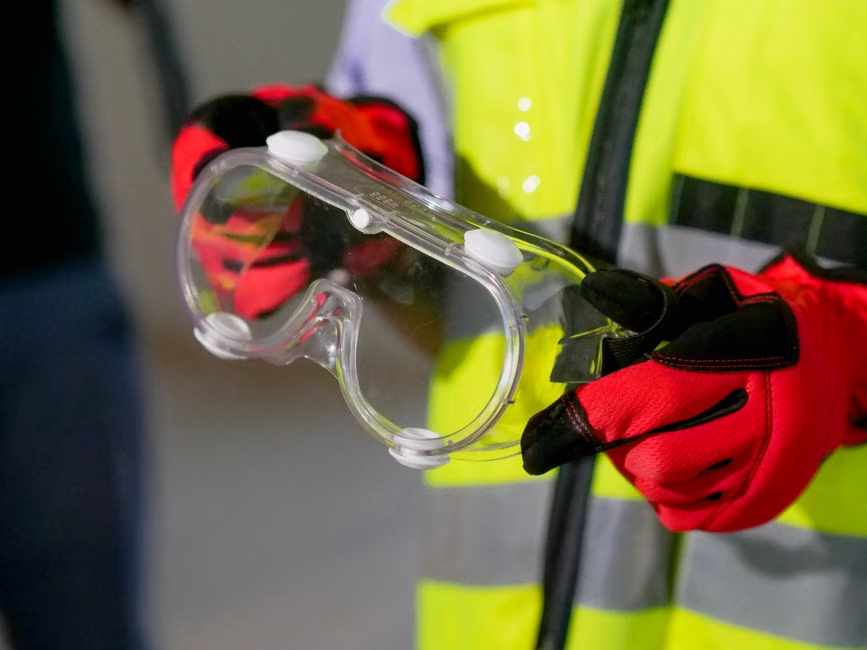
- **Wear Proper Personal Protective Equipment (PPE):** This isn’t optional. You’ll need safety goggles or a face shield, sturdy gloves, hearing protection, long pants, and closed-toe shoes. Ear protection is crucial, as some machines can be quite loud.
- **Inspect Equipment:** Check the hose, nozzle, and connections for any damage or leaks. A faulty hose can burst under pressure, causing injury.
- **Clear the Area:** Remove furniture, toys, plants, and anything else that could be damaged by the water jet or become a tripping hazard. Protect delicate landscaping; a solid plan for mulch benefits and best practices can also help shield plants from overspray.
- **Use the Right Nozzle:** Different nozzles deliver different spray patterns and pressures. Start with a wider-angle, lower-pressure nozzle (like a 40-degree or fan tip) and only switch to narrower, more powerful ones (like a 15-degree or rotary tip) if necessary and appropriate for the surface.
- **Maintain Distance:** Keep the nozzle at a safe distance from the surface you’re cleaning, usually 6-12 inches. Getting too close increases the risk of damage or injury.
- **Always Point Away:** Never point the wand at yourself, another person, or a pet. Treat it like a loaded firearm.
- **Never Engage the Trigger Lock:** The trigger lock should only be used when the machine is off and depressurized, for storage, or when changing nozzles. It’s not for continuous spraying, as it removes your immediate control over the water flow.
How Does a Pressure Washer Work to Pose Risks?
The mechanism behind a pressure washer’s effectiveness is also what makes it dangerous. A pump accelerates water to extremely high velocities, creating a concentrated stream that can reach pressures of 1,500 to 4,000 pounds per square inch (psi), sometimes even higher. To put that in perspective, a typical garden hose operates at around 50-70 psi. This immense force can easily pierce skin, leading to what are known as high-pressure injection injuries.
Such injuries often look minor on the surface, perhaps just a small puncture wound. However, the pressurized water can inject chemicals, bacteria, and debris deep into tissues, leading to severe infections, tissue death, and even amputation if not treated promptly. The Occupational Safety and Health Administration (OSHA) provides clear guidelines on the hazards of power tools, noting that pressure washer injuries often involve direct contact with the high-pressure stream or secondary injuries from slipping on wet surfaces or falling from ladders. We work with these guidelines to ensure the safety of our team and our clients.
Can a Pressure Washer Cut Your Finger Off or Cause Serious Injury?
While extremely rare for a pressure washer to literally cut off a finger, the high-pressure stream can certainly cause deep lacerations, severe punctures, and crush injuries that might necessitate amputation due to tissue damage or infection. The danger is very real and not to be underestimated.
Beyond direct stream injuries, indirect hazards are also significant. Slips and falls on wet, slick surfaces are common, as are electrical shocks from improper grounding or contact with water. Here’s a bulleted list of potential injuries:
- **Injection Injuries:** Water or cleaning solution forced deep into tissue, often appearing as a small puncture wound but causing extensive internal damage.
- **Lacerations and Abrasions:** The stream can cut skin, causing deep wounds that may require stitches.
- **Eye Injuries:** Debris kicked up by the water or direct spray can cause severe eye damage, including blindness.
- **Bruises and Fractures:** The force can be strong enough to cause blunt trauma, leading to severe bruising or even bone fractures.
- **Electrical Shock:** Using electric pressure washers near water or with damaged cords poses a serious electrocution risk.
- **Hearing Damage:** Prolonged exposure to the loud noise of gas pressure washers can lead to permanent hearing loss.
- **Chemical Burns:** If cleaning solutions are used, accidental contact with the skin or eyes can cause chemical burns.
“High-pressure injection injuries can look deceptively minor on the outside, but they often involve extensive underlying tissue damage and require immediate medical attention to prevent serious complications like infection, tissue necrosis, and even amputation.”
What Should I Do If I Get a Minor Pressure Washer Injury?
Even minor-looking injuries from a pressure washer warrant immediate attention. The deceptive nature of injection injuries means you can’t always judge severity by surface appearance.

For any suspected high-pressure injection injury or deep laceration:
- **Stop the Pressure Washer Immediately:** Turn off the engine or motor and release any residual pressure.
- **Assess the Injury:** While the injury may seem small, it’s crucial to understand the potential for internal damage.
- **Seek Emergency Medical Attention:** Even if the wound looks like a mere scratch, go to the nearest emergency room without delay. Do not try to treat it at home. Inform medical staff that it’s a high-pressure injection injury, as this requires specific treatment protocols.
- **Clean Minor Cuts (only after medical assessment):** For very superficial scrapes, clean the area gently with soap and water. Apply a sterile bandage.
Realistic recovery times vary widely depending on the severity. A minor abrasion might heal in a few days. However, a high-pressure injection injury can require surgery, antibiotics, and weeks or even months of recovery, with potential for long-term complications or disability. Prompt medical intervention significantly improves outcomes.
“Prompt medical evaluation is critical for any injury sustained from a high-pressure washer, especially puncture wounds, as they carry a high risk of deep tissue infection and damage that may not be immediately apparent.”
— CDC (National Institute for Occupational Safety and Health)
Is Pressure Washing Always the Right Solution?
While powerful, pressure washing isn’t suitable for every surface. Using the wrong pressure or technique can cause irreparable damage, making careful consideration essential. Our expertise, honed over two decades, consistently guides homeowners to the right solutions for their unique situations.
Surfaces you should approach with extreme caution or avoid pressure washing altogether include:
- **Old or Damaged Roofs:** High pressure can strip granules, force water under shingles, and significantly shorten the lifespan of your roof, as we discuss in our post How Long Do Roofs Last in Ohio’s Climate? For delicate roof cleaning, soft washing (a low-pressure technique with cleaning solutions) is often a better alternative.
- **Painted Surfaces:** Unless you intend to repaint, high pressure can easily strip paint, leaving uneven and damaged finishes.
- **Softwoods (like pine):** The water jet can etch or splinter soft wood, especially on older decks or fences.
- **Electrical Panels and Outlets:** Direct contact can cause short circuits, damage, or electrocution.
- **Windows and Screens:** The force can break glass, tear screens, and compromise window seals.
- **Asbestos Siding:** Pressure washing can release hazardous asbestos fibers into the air, a serious health risk.
- **Fascia and Soffit:** While these areas often need cleaning, extreme care and lower pressure are needed to avoid damage, as improper cleaning can negate efforts to ensure fascia and soffit maintenance protects your home.
For some delicate cleaning tasks, or areas where you’re unsure, manual cleaning with a brush and appropriate cleaning solutions, or hiring a professional soft washing service, might be a safer and more effective option.
Practical Tips for Homeowners in Columbus, Ohio
When you’re ready to tackle a pressure washing project, remember these practical tips from our experienced team:
- **Test a Small, Inconspicuous Area:** Always start by testing your pressure washer on a small, hidden spot to ensure the pressure and nozzle won’t damage the surface.
- **Maintain a Consistent Distance and Angle:** Keep the wand at a consistent distance and angle (usually 45 degrees) for an even clean and to prevent streaks or gouges.
- **Work in Sections:** Clean small, manageable sections, overlapping your passes slightly. This helps ensure uniformity and prevents the water from drying and leaving marks.
- **Move Continuously:** Don’t hold the nozzle in one spot for too long. This is how you cause damage. Keep the stream moving.
- **Use Detergents Safely:** If using detergents, ensure they are compatible with your pressure washer and the surface you’re cleaning. Always follow the manufacturer’s instructions for mixing and application. Rinse thoroughly.
- **Know When to Call a Pro:** For difficult stains, high-up areas, delicate surfaces, or if you simply don’t feel comfortable, don’t hesitate to call professional services. Our team provides reliable solutions tailored to your needs, ensuring attention to detail and quality workmanship across all aspects of exterior cleaning and maintenance.
Pressure washing can be an incredibly effective way to keep your home’s exterior looking its best. But the power behind the spray demands respect and careful handling. By following these safety guidelines and best practices, you’ll protect yourself from injury and safeguard your property from damage. If you’re ever in doubt, or prefer to leave the heavy lifting to the experts, Hillsdale Home Guide is here to help Columbus homeowners with professional and safe exterior cleaning services. We provide free quotes and are ready to assist you in maintaining a beautiful and well-cared-for home.